
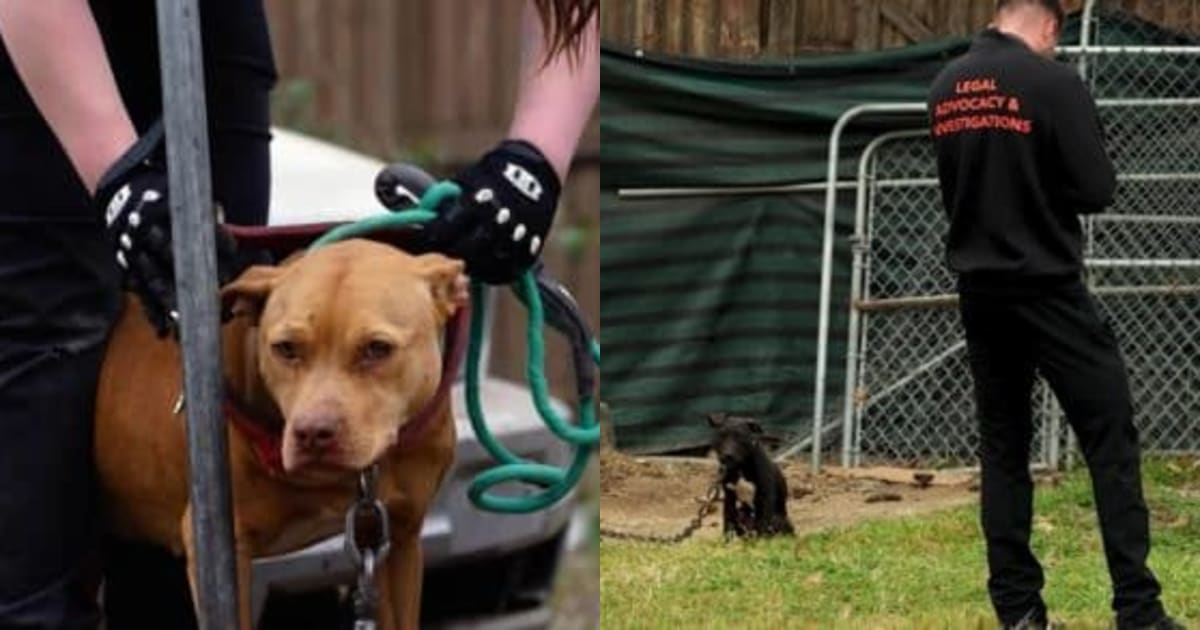

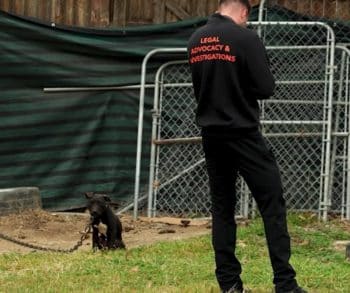
Across the vast reaches of the Dallas area, an unfathomable tragedy unfolded as nearly 200 dogs were discovered living in unthinkable conditions. Tethered to heavy chains and confined within deteriorating makeshift kennels, these innocent souls bore scars—both seen and unseen—that narrated a painful story of suffering and neglect. The grim truth of a suspected dogfighting operation emerged, stretching across dozens of locations, where the echoes of despair were deafening.
This monumental rescue endeavor was spearheaded by the ASPCA, in close collaboration with the Dallas Police Department, Texas Department of Public Safety, Dallas Animal Services, and the Operation Kindness Humane Society. The SPCA of Texas and Garland Animal Services also played pivotal roles in this multi-site operation, working tirelessly and methodically with a single mission: to bring every beleaguered animal to safety.

As law enforcement agents bravely entered the properties, they unearthed more than just the sight of neglected dogs. They stumbled upon disturbing evidence of organized cruelty—weighted collars, treadmills, medications, and fighting pits littered across the scenes. Each piece of equipment told a chilling tale of the brutality that had become a daily ordeal for these animals. Their lives were steeped in isolation, fear, and forced aggression, where many had spent endless days chained, deprived of movement, and robbed of social interaction. Some appeared painfully underweight, while others sported thickened scars etched into their skin, a testament to their turbulent pasts.
Yet, amidst this bleak reality, flickers of resilience broke through. Some dogs, despite the weight of their suffering, cautiously wagged their tails in tentative hope. Others leaned gently into the hands of responders, aware that salvation had finally arrived.
Almost 150 of the rescued dogs were transported to an ASPCA recovery center, where a new chapter was about to begin. Here, each dog would receive forensic veterinary examinations and behavioral assessments tailored to their specific needs. Medical teams tirelessly treated injuries and addressed infections, meticulously documenting every detail to support the ongoing investigation. More importantly, these dogs were offered a sense of kindness and patience that many had never before experienced. Soft bedding replaced the harshness of dirt and debris, while nutritious meals took the place of starvation.
With every passing day, staff members introduced enrichment activities, slowly guiding them toward safer forms of stimulation. For some, the simple act of human touch was foreign and overwhelming. The team approached with gentleness, speaking softly and reassuringly as guarded eyes began to soften in response. Behavior specialists carefully assessed each dog’s individual needs; some required extensive behavioral treatment to overcome their trauma, while others exhibited surprising adaptability, reacting positively to consistent care and gentle handling.

Each small step forward became a celebration of progress. “Despite dogfighting being a felony in every state, it is a cruel reality that persists across the nation, inflicting suffering upon countless vulnerable animals,” noted Teresa Ladner, vice president of ASPCA Criminal Practice and Investigations. She underlined the organization’s unwavering commitment to breaking this vicious cycle of cruelty, ensuring that victims receive the protection and care they so desperately deserve.
This rescue transcends the mere removal of animals from perilous conditions; it symbolizes the dawn of accountability and the promise of recovery. Investigators diligently continue their work, while animal welfare teams focus on stabilizing and charting a long-term trajectory for each dog’s future. Understandably, transformations will not occur in an instant—trauma leaves its indelible mark. Yet, within the safe confines of the recovery center, these dogs are presented with the opportunity to rest, heal, and gently rediscover the meaning of trust.
Where once heavy chains held them captive, compassionate hands now guide them toward a brighter tomorrow. For the nearly 200 animals who once endured only agony, the warm embrace of hope has finally arrived.